COVID-19 is a contagious disease caused by the coronavirus SARS-CoV-2. In January 2020, the disease spread worldwide, resulting in the COVID-19 pandemic.
The symptoms of COVID‑19 can vary but often include fever,[7] fatigue, cough, breathing difficulties, loss of smell, and loss of taste.[8][9][10] Symptoms may begin one to fourteen days after exposure to the virus. At least a third of people who are infected do not develop noticeable symptoms.[11][12] Of those who develop symptoms noticeable enough to be classified as patients, most (81%) develop mild to moderate symptoms (up to mild pneumonia), while 14% develop severe symptoms (dyspnea, hypoxia, or more than 50% lung involvement on imaging), and 5% develop critical symptoms (respiratory failure, shock, or multiorgan dysfunction).[13] Older people have a higher risk of developing severe symptoms. Some complications result in death. Some people continue to experience a range of effects (long COVID) for months or years after infection, and damage to organs has been observed.[14] Multi-year studies on the long-term effects are ongoing.[15]
COVID‑19 transmission occurs when infectious particles are breathed in or come into contact with the eyes, nose, or mouth. The risk is highest when people are in close proximity, but small airborne particles containing the virus can remain suspended in the air and travel over longer distances, particularly indoors. Transmission can also occur when people touch their eyes, nose, or mouth after touching surfaces or objects that have been contaminated by the virus. People remain contagious for up to 20 days and can spread the virus even if they do not develop symptoms.[16]
Testing methods for COVID-19 to detect the virus’s nucleic acid include real-time reverse transcription polymerase chain reaction (RT‑PCR),[17][18] transcription-mediated amplification,[17][18][19] and reverse transcription loop-mediated isothermal amplification (RT‑LAMP)[17][18] from a nasopharyngeal swab.[20]
Several COVID-19 vaccines have been approved and distributed in various countries, many of which have initiated mass vaccination campaigns. Other preventive measures include physical or social distancing, quarantining, ventilation of indoor spaces, use of face masks or coverings in public, covering coughs and sneezes, hand washing, and keeping unwashed hands away from the face. While drugs have been developed to inhibit the virus, the primary treatment is still symptomatic, managing the disease through supportive care, isolation, and experimental measures.
This article covers the Everest Base Camp and Three Passes Treks questions packing list and basic information like the Everest base camp height, weather conditions and more.
After a day of running around Kathmandu to get all of our to-do items checked off the list on our second day of vacation, we were finally packed and ready for our adventure – the beginning of our trek, flight from Kathmandu to Lukla.
Flying to the most dangerous airport in the world
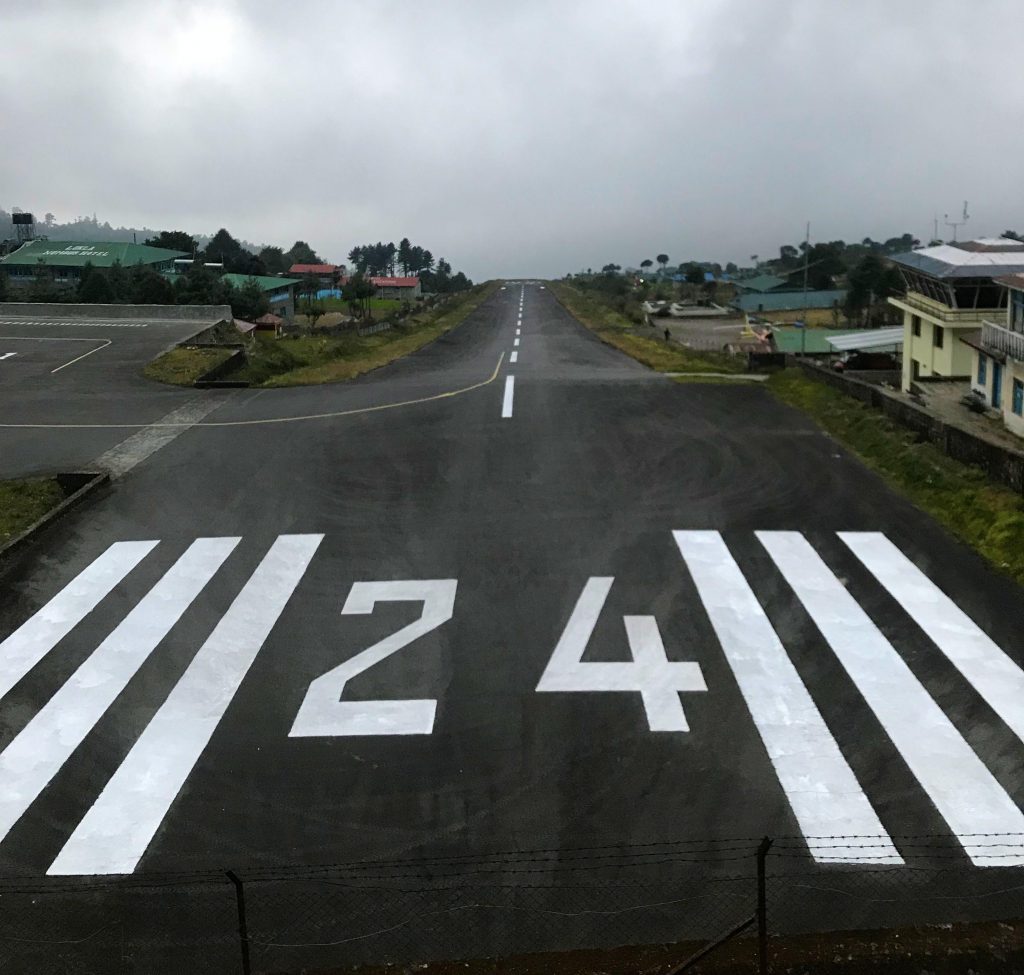
If you haven’t previously googled, the Tenzing–Hillary Airport (LUA) in Lukla is something of a legend. It is known as the world’s most dangerous airport because of the elevation that it’s located at and the fact that the runway is so super short that when landing, it feels like the pilot will crash into the mountain and at takeoff, you have a sensation of falling off the edge of the mountain slightly. I was dreading this flight.
Travel Tip:Book your Kathmandu to Lukla flights early on. As soon as you know you’re going on this trek, book your flights to and from Lukla as they book up quickly. There are a few airline choices, but all planes are similar, and the “softness” of your flight will depend on the pilot, so no guarantees there. You need flights from Tribhuvan International Airport (KTM) to Tenzing–Hillary Airport (LUA).
Flight cancelations between Kathmandu and Lukla
Our original plan was to fly from Kathmandu to Lukla and trek to Namche Bazaar that same day. Naively, we thought that our 10:30 am flight was was miraculously going to leave on time, well it didn’t happen.
Although Kathmandu’s flight to Lukla is short (less than 30 minutes), Lukla is sitting pretty high. As a result, it could be sunny in Kathmandu while its pouring in Lukla. Planes fly between Kathmandu and Lukla only during daytime with perfect visibility for safety reasons. So if it’s raining in Lukla, your flight will be cancelled. Helicopter rides are a thing as they fly in the rain, but the price point is also very different.
n October (high travel season), the Everest region’s sky is clear in the morning and cloudy in the afternoon. Mountain weather in October is unpredictable, but we did notice a trend. Most days, we enjoyed clear skies early mornings up until around after lunchtime when clouds would roll in for the rest of the day, only to clear closer to seven or eight at night. Start your day early in the morning to catch the most breathtaking Himalayan mountain range views.
Luckily, the weather was good on the day we flew out of Kathmandu, but we still had to wait until about 4:00 pm and got on the very last flight to Lukla that day.
Travel Tip:Groups travelling with a guide will have their guide sweet talk the airline staff, so you may get bumped up to the next flight due to that. This is why you have to make yourself visible to the airline members. Once you see, you will not board the plane on time; you must act quickly and inquire with the airline staff about your flight status. It’s easier for the airline staff to put you on the next flight if you’re travelling solo, and a little more challenging to add two or more people. Once the airline representative scribbles a random number on your ticket, you know you’re getting on the flight (although some exceptions apply, if the weather is bad when your turn comes). We flew with TARA air on the way there and Summit Air on the way back, and the situation was identical – you show up early, wait all day, then hustle to get on the flight out. That’s just how it works, so get mentally prepared (and wear warm socks).
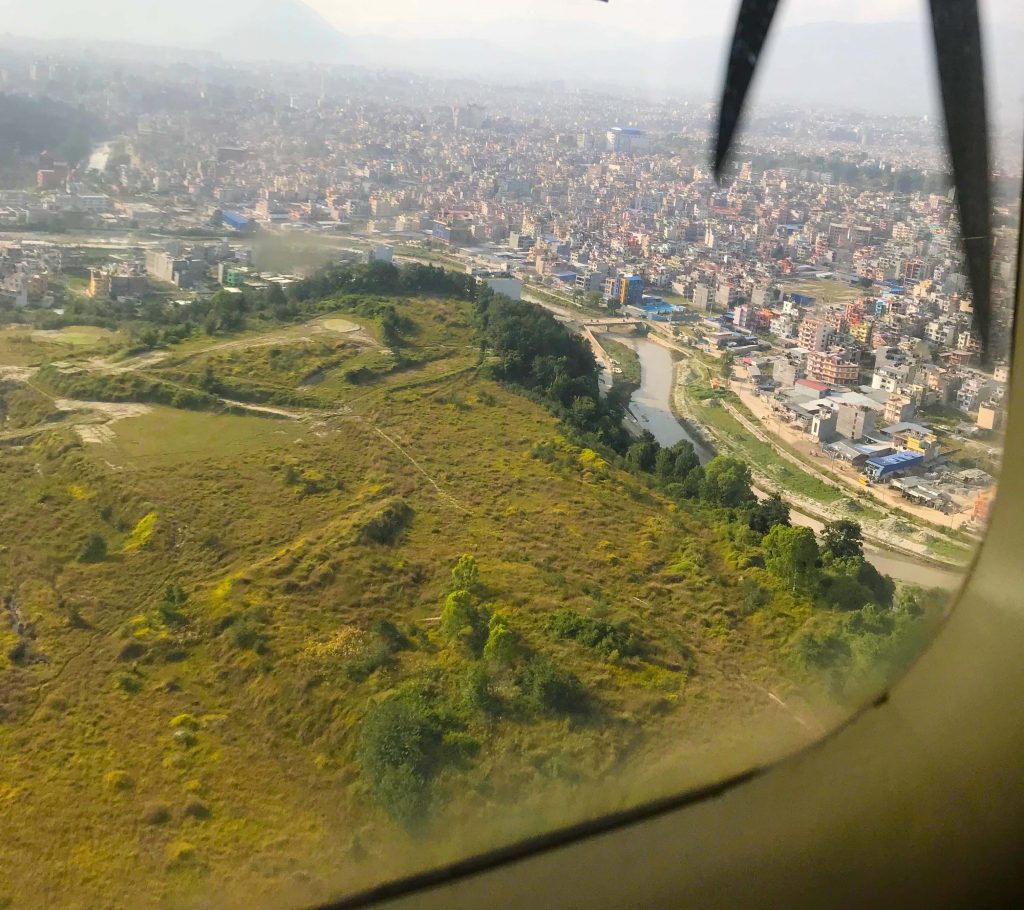
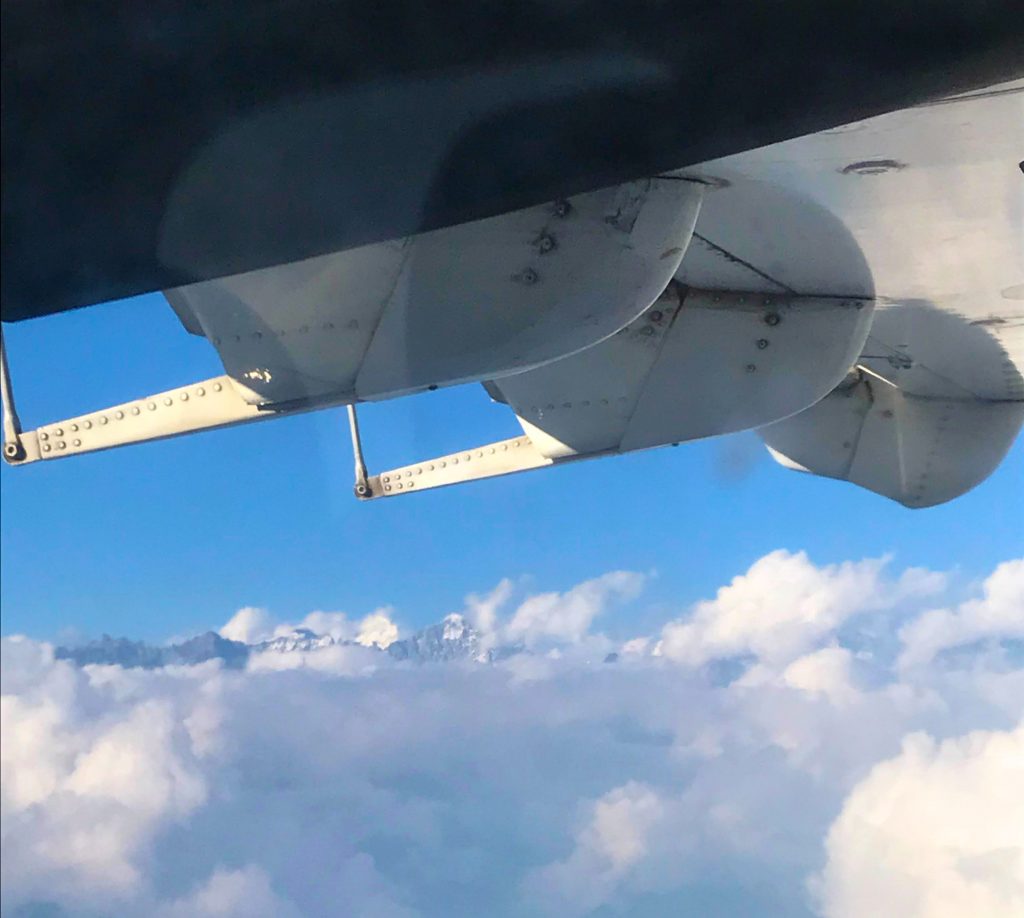
The planes are small, and the crew members are friendly. You get to see the pilot as their cabin isn’t closed, and you get a mint candy and a few cotton balls for the noise. The flight did not seem as scary as I was expecting. I read that it’s the take off from Lukla that may send some chills down your spine, but we didn’t get a chance to experience that as our flight was… wait for it… cancelled due to rain so we took a helicopter.
5:45 pm sunset leaves little trekking time
When we finally left Kathmandu after what seemed like a never-ending wait in a dirty and incredibly loud airport, it was already 4:00 pm or so. Considering that in the High Himalayas, the sun sets at 5:45 pm, we did not have a lot of trekking time left on our third day.
Initially, we planned to be in Lukla by 11:00 am and trek to Namche, but the delay meant we had to change our plan. We walked for as long as there was daylight to a small town of Thadu Koshigan, where we stayed in a Holiday Inn Resort (a teahouse). It was also on the trek from Lukla to our teahouse that we realized how heavy our backpacks were and that we clearly overpacked.
Travel Tip:The place wasn’t bad at all, especially compared to some sombre looking spots we checked out before getting our key at the Inn. When deciding on the tea house, if you have the luxury to choose, look at a few places and ask to see their shower and toilet before you get the room. The average price in the lower elevation for a night is between 100 to 300 rupees. Tea house owners make their money on the food, shower, and toiletries you buy. Showers get expensive the higher you go, and it is true, the civilization you still get at Namche Bazaar ends after Namche.
Exhausted after our trek from Lukla to Thadu Koshigan, we warmed up in the teahouse’s resto with some momos and hot mint tea deciding on our plan of action for Day Four of our trip – Thadu Koshigan to Namche Bazaar. One thing I was crystal clear on at that moment – I must get my backpack lighter in Namche no matter what.